Why It Is Important To Assess Flexibility Both Before Starting And During A Workout Regimen
Contents
Flexibility is one part of overall fitness, alongside strength, endurance and balance. Checking it before you start a workout program, and again as you go, helps you train safely and see progress.
Here's why it matters and how to do it.
The Significance of Flexibility Assessment
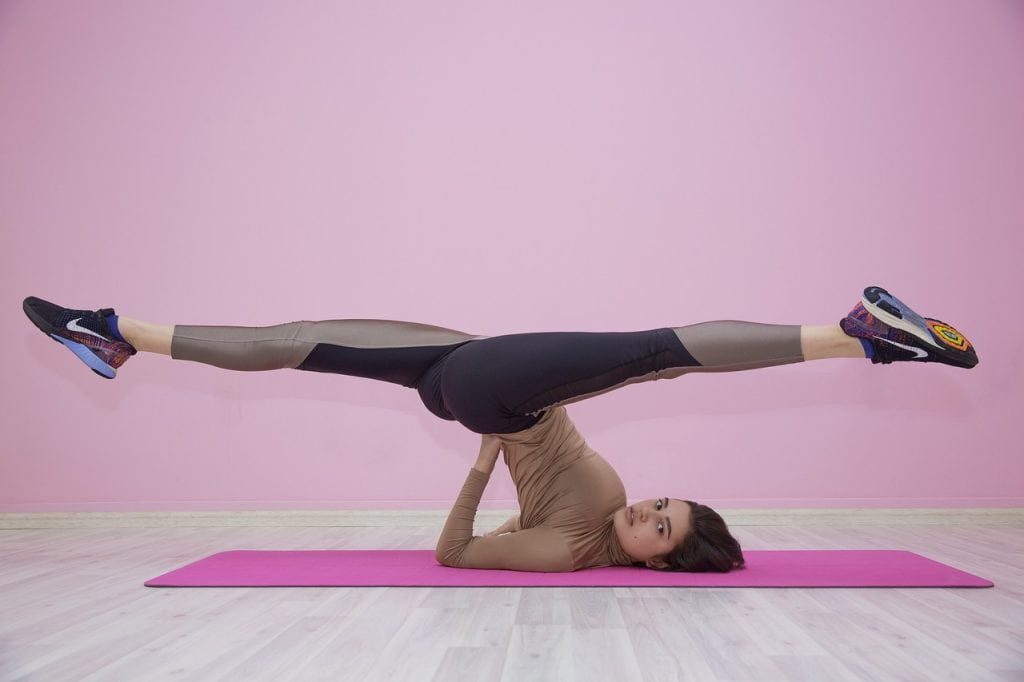
Flexibility is the range of motion your joints and muscles allow. According to Harvard Health, you need it to maintain a range of motion in the joints.
Testing it at the start gives you a baseline. You can then set realistic goals and track whether your range of motion improves.
It also flags tight areas. Tight muscles that get suddenly stretched during hard activity can be strained, which puts you at risk of joint pain and muscle injury.
Prioritizing Flexibility Assessment: A Prelude to Success
- It's not just muscle length: Range of motion also depends on your joints and the tissues around them.
- It can reveal imbalances: Comparing your left and right sides can show differences worth working on.
- It shows where to focus: Knowing which muscles are tight tells you which stretches to prioritize.
A simple starting point is the sit-and-reach test, which mainly measures hamstring flexibility. A trainer or physical therapist can add tests for your shoulders, hips and ankles.
Ongoing Assessment: The Guardian of Progress
Retest every few weeks using the same tests, warm-up and conditions. That way you can see whether your stretching routine is working and adjust it.
For the routine itself, Harvard Health suggests stretching daily or at least three or four times a week. Hold each stretch for about 30 seconds and don't bounce.
Warm up first with a few minutes of light activity, such as a brisk walk. Stretching cold muscles can hurt them.
Flexibility: The Athlete's Performance Enhancer
- Better movement: Enough range of motion lets you use proper form in lifts and sports moves, such as getting into a full squat.
- Motivation: Seeing your test results improve over time is a concrete sign that your work is paying off.
In conclusion, checking your flexibility before and during a workout program gives you a baseline, shows where to focus, and lets you track progress. Pair it with regular, gentle stretching after a warm-up.
Sources
- The importance of stretching, Harvard Health Publishing
- Sex differences in sit-and-reach flexibility in children and adolescents: A meta-analysis, Journal of Bodywork and Movement Therapies