Is the Rear Deltoid Row a Back Exercise? Form and Muscles Worked
Contents
- Is The Rear Deltoid Row a Back Exercise?
- The Importance of the Rear Deltoid Muscles
- The Posterior Deltoids: Shoulder Stabilizers
- Why the Back and Rear Delts Matter
- Mastering the Rear Deltoid Row: A Step-by-Step Guide
- 1. Starting Position
- 2. Bend at the Hips
- 3. Row With Your Elbows Out
- 4. Pause and Contract
- 5. Slowly Lower the Weights
- Conclusion: Add the Rear Deltoid Row to Your Back Workout
- Sources
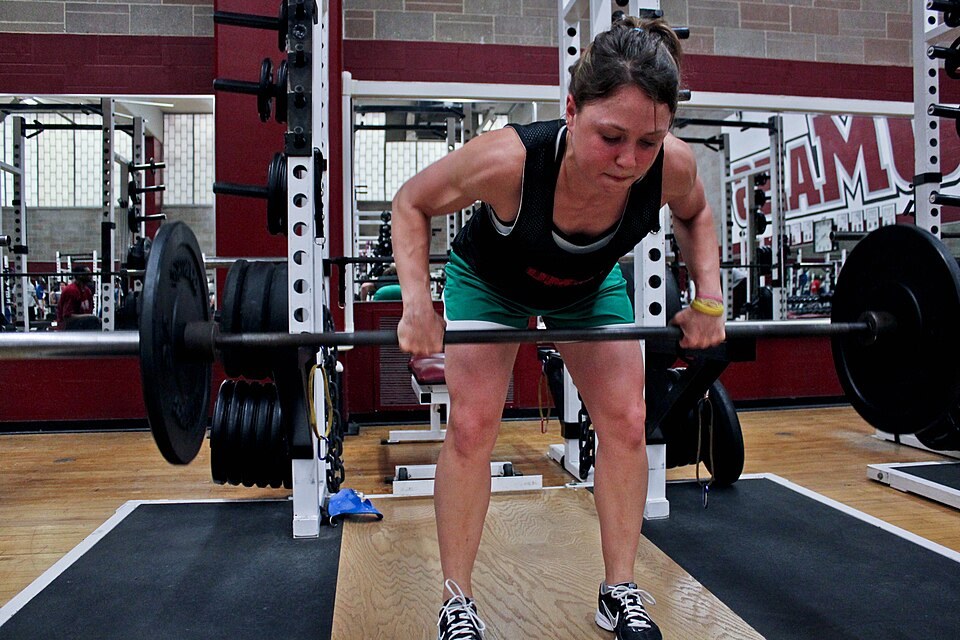
Photo by embhoo, CC BY 2.0, via Wikimedia Commons
Is The Rear Deltoid Row a Back Exercise?
Partly. The rear deltoid row targets the rear deltoids, which are shoulder muscles, but it also works upper back muscles such as the rhomboids and trapezius, which move the shoulder blades. That is why many lifters program it on back day.
The Importance of the Rear Deltoid Muscles
The deltoid is the rounded muscle that caps the shoulder, and it has front, side and rear sections. According to Cleveland Clinic, the rear deltoids attach to the shoulder blade and help move your arm backward.
The Posterior Deltoids: Shoulder Stabilizers
The rear delts help pull the upper arm back and out to the side, and they help rotate it outward. They also help stabilize the shoulder joint.
Why the Back and Rear Delts Matter
Pressing exercises like the bench press and overhead press work the front of the shoulder hard. Rows and rear delt work balance that out.
A balanced upper body routine supports good shoulder mechanics and posture. The rear deltoid row adds direct work for a muscle that pressing alone does not train much.
Mastering the Rear Deltoid Row: A Step-by-Step Guide
Good form keeps the work on the rear delts instead of the lats and biceps.
1. Starting Position
- Stand with feet about hip- to shoulder-width apart, knees slightly bent.
- Hold a light dumbbell in each hand.
- Brace your core and keep your back flat.
2. Bend at the Hips
- Hinge forward at the hips with a flat back.
- Lower your torso to about 45 degrees, or close to parallel with the floor if your hamstrings and lower back allow it.
- Let the dumbbells hang below your shoulders, palms facing your legs or each other.
3. Row With Your Elbows Out
- Pull the dumbbells up and back, letting your elbows flare out to the sides, roughly in line with your shoulders.
- Keeping the elbows wide shifts the work toward the rear delts. Tucking them close to your body turns the move into a standard row that relies more on the lats.
4. Pause and Contract
- Pause briefly at the top and squeeze the back of your shoulders and your shoulder blades together.
5. Slowly Lower the Weights
- Lower the dumbbells with control to the start.
- Use a weight you can control for every rep; the rear delts are a small muscle group, so heavy weights usually pull other muscles into the lift.
Conclusion: Add the Rear Deltoid Row to Your Back Workout
The rear deltoid row is a shoulder exercise that also trains the upper back. Done with elbows wide and a controlled tempo, it builds the rear delts and balances out a press-heavy routine.
If you have shoulder or lower back pain, check with a doctor or physical therapist before adding new exercises.
Sources
- Deltoid Muscles: What Are They, Anatomy, Location & Function, Cleveland Clinic
- Shoulder Muscles: Anatomy, Function & Common Conditions, Cleveland Clinic