Are Ghost Energy Drinks Bad for You? (Facts And Figures)
Contents
- What Are the Risks Associated With Ghost Energy Drinks?
- Can Ghost Drink Cause Heart Issues?
- Can Ghost Energy Drink Use Affect Your Sleeping Pattern?
- Is Ghost Energy Drink Dangerous to Teenagers and Children?
- Ghost Energy Drink and Medications
- Can I Get Addicted to a Ghost Energy Drink?
- How Can I Consume Ghost Energy Drinks Safely?
- Conclusion
- Frequently Asked Questions
- Does ghost energy have high caffeine levels?
- How many ghost energy drinks can I drink safely?
- How much sugar do ghost energy drinks have?
- Sources
Ghost Energy is a zero-sugar energy drink with about 200mg of caffeine per 16-ounce can. So, are Ghost energy drinks bad for you?
For most healthy adults, one can a day is within safe caffeine limits. The risks come from drinking several, mixing with other caffeine or alcohol, and giving them to kids or teens.
What Are the Risks Associated With Ghost Energy Drinks?
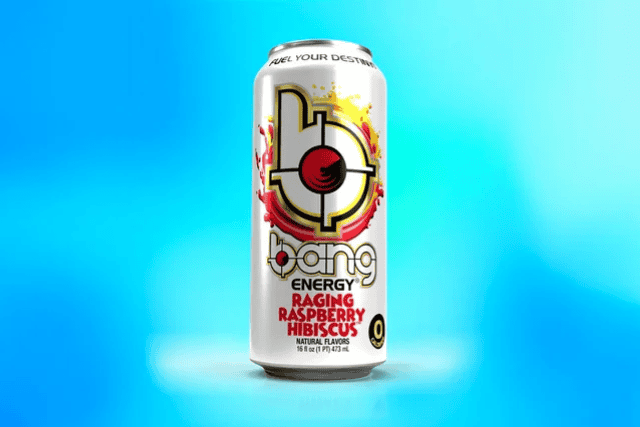
Some people get their caffeine from coffee or tea. Others prefer energy drinks like Ghost or Bang.
These drinks are popular, but they come with some risks.
Ghost markets its energy drink as zero sugar, and the label lists no added sugar. That avoids the 54-62 grams of added sugar found in some 16-ounce energy drinks.
The main concern is caffeine. At about 200mg per can, two cans reach the FDA's 400mg daily guideline for healthy adults.
Ghost also contains taurine, an amino acid found in many energy drinks. There's no good evidence that the amounts in energy drinks are dangerous on their own.
Check the label for other caffeine sources, such as guarana, in any energy drink. They add to the total caffeine.
Can Ghost Drink Cause Heart Issues?
Large amounts of caffeine may cause heart rhythm problems and raise heart rate and blood pressure. Some people also get anxiety or palpitations.
If you have a heart condition or high blood pressure, talk to your doctor before drinking energy drinks.
Can Ghost Energy Drink Use Affect Your Sleeping Pattern?
Yes. Caffeine can disrupt sleep, and a 200mg dose late in the day can make it harder to fall asleep.
If you want a full night's sleep, avoid energy drinks, including Ghost, in the afternoon and evening.
Is Ghost Energy Drink Dangerous to Teenagers and Children?
Energy drinks aren't recommended for children and teens. The American Academy of Pediatrics advises against them because of their caffeine and sugar.
Caffeine may harm children's developing heart and nervous systems. It can also cause anxiety, a faster heart rate, higher blood pressure and poor sleep.
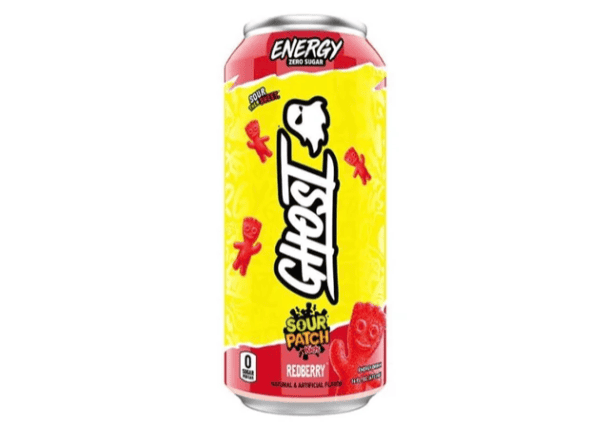
Ghost's candy-themed flavors, such as its Sour Patch Kids collaboration, can appeal to kids. Keep these drinks out of reach, the same as you would with coffee.
Ghost Energy Drink and Medications
Caffeine can interact with some medications, and some medicines also contain caffeine or stimulants.
If you take prescription medication, especially for your heart, blood pressure, anxiety or ADHD, ask your doctor or pharmacist before drinking energy drinks.
Can I Get Addicted to a Ghost Energy Drink?
You can become dependent on the caffeine in Ghost energy drinks. Energy drinks typically contain caffeine and other stimulants, and regular consumption can lead to caffeine dependence. Here are some factors that contribute to dependence on energy drinks:
- Caffeine Content: Energy drinks often contain more caffeine than a soda. Caffeine is a central nervous system stimulant, and regular use builds tolerance, so you may need more to get the same effect.
- Habitual Use: If you develop a daily or frequent habit of consuming energy drinks, your body can become accustomed to the caffeine intake. You may experience withdrawal symptoms when you try to stop or reduce your consumption.
- Withdrawal Symptoms: When you stop consuming caffeine abruptly after regular use, you may experience withdrawal symptoms such as headaches, fatigue, irritability, and difficulty concentrating. These symptoms can lead to a desire to continue using energy drinks to alleviate them.
- Psychological Dependence: In addition to physical dependence, some individuals may become psychologically dependent on the energy drinks' boost of energy and alertness. This can lead to a perceived need for these drinks in various situations, such as before exams, work shifts, or athletic events.
To avoid dependence, keep energy drinks occasional. Count all your caffeine sources, including coffee, tea and soda.
How Can I Consume Ghost Energy Drinks Safely?
Here are some general guidelines for safely consuming energy drinks:
- Read the Label: Check the caffeine content, serving size and any warnings before you drink.
- Limit Caffeine Intake: The FDA says up to 400mg of caffeine a day is not generally linked to negative effects in healthy adults. Sensitivity varies, so many people need less.
- Avoid Mixing with Alcohol: Caffeine can make you feel less drunk than you are, while your coordination and reaction time stay just as impaired.
- Stay Hydrated: Drink water through the day. Energy drinks are not a substitute for water.
- Monitor Your Reaction: Pay attention to how your body reacts to energy drinks. If you experience jitteriness, increased heart rate, anxiety, or any other adverse effects, reduce or eliminate your consumption.
- Consult with a Healthcare Professional: If you have specific concerns or health conditions that may be affected by energy drink consumption, it's advisable to consult with a healthcare professional before including them in your diet.
- Pregnancy and Medical Conditions: Pregnant individuals and people with certain medical conditions, such as heart problems, high blood pressure, or anxiety disorders, should exercise caution or avoid energy drinks altogether. Seek medical advice if you have concerns.
- Know the Ingredients: Energy drinks may also contain amino acids, herbal extracts and B vitamins such as B6 and B12. Check that you aren't doubling up with other supplements.
Conclusion
Are Ghost energy drinks safe? For most healthy adults, one can a day fits within the FDA's caffeine guideline.
They are not suitable for children and teens. People who are pregnant, sensitive to caffeine or managing heart conditions should check with a doctor first.
Keep track of your total daily caffeine to avoid side effects and dependence.
Frequently Asked Questions
Does ghost energy have high caffeine levels?
Yes. A 16-ounce can contains about 200mg of caffeine, roughly the same as a 12-ounce cup of strong brewed coffee.
How many ghost energy drinks can I drink safely?
Healthy adults should keep caffeine to 400mg or less per day from all sources. That equals two 16-ounce cans with nothing else, so one can a day leaves room for coffee or tea.
How much sugar do ghost energy drinks have?
Ghost energy drinks are sold as zero sugar. They use low- or no-calorie sweeteners instead, so check the label for the specific ones.