Red Bull vs Monster Energy Drinks: Highs and Lows
Contents
- Main Differences Between Monster vs Red Bull
- Differences
- Origin
- Ingredients
- Flavors and Varieties
- Marketing and Branding
- Market Reach
- Similarities
- Conclusion
- Frequently Asked Questions
- Red Bull or Monster: Which drink has a higher sugar level?
- Which has more caffeine, Red Bull or Monster?
- What are the side effects of energy drinks?
- Sources
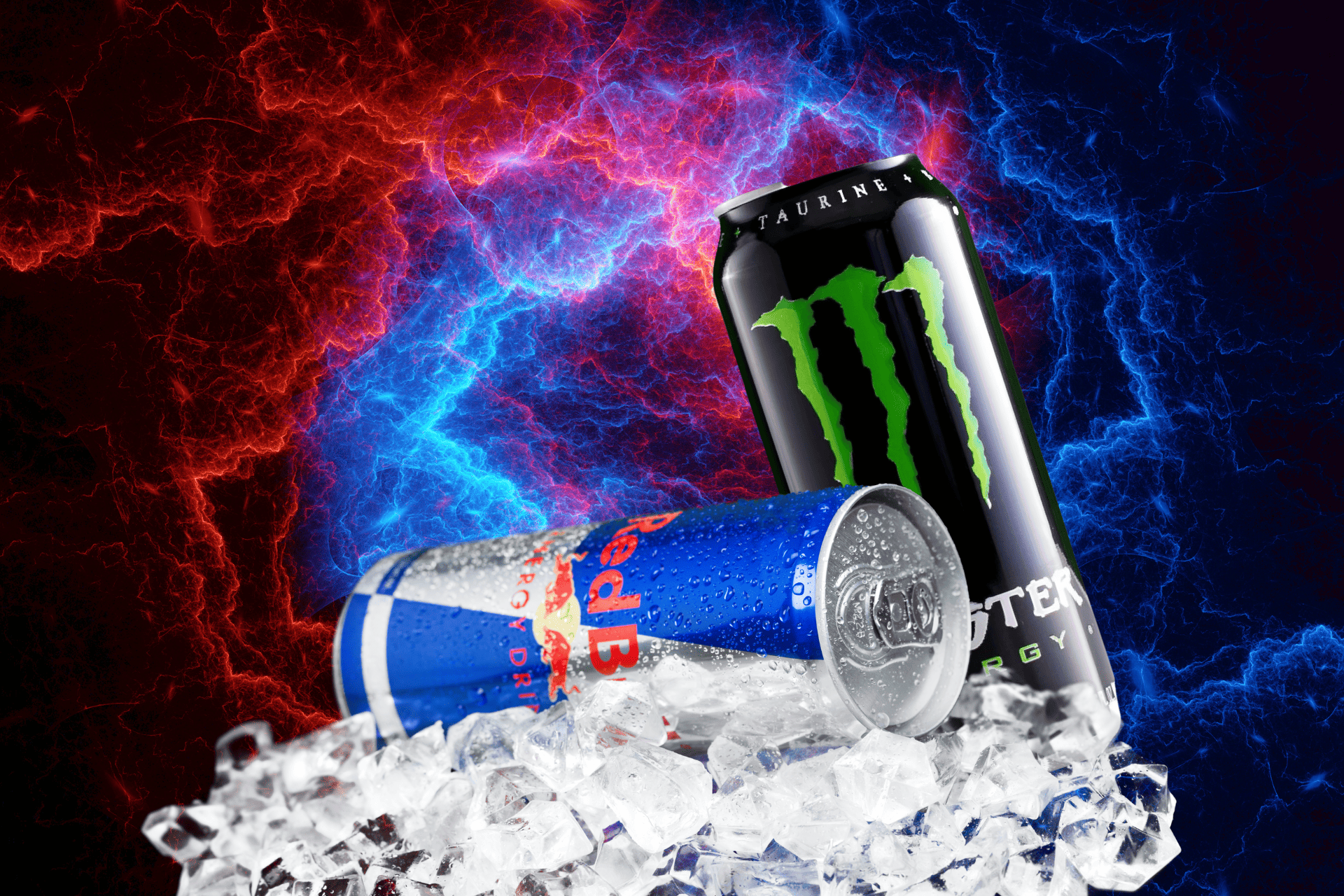
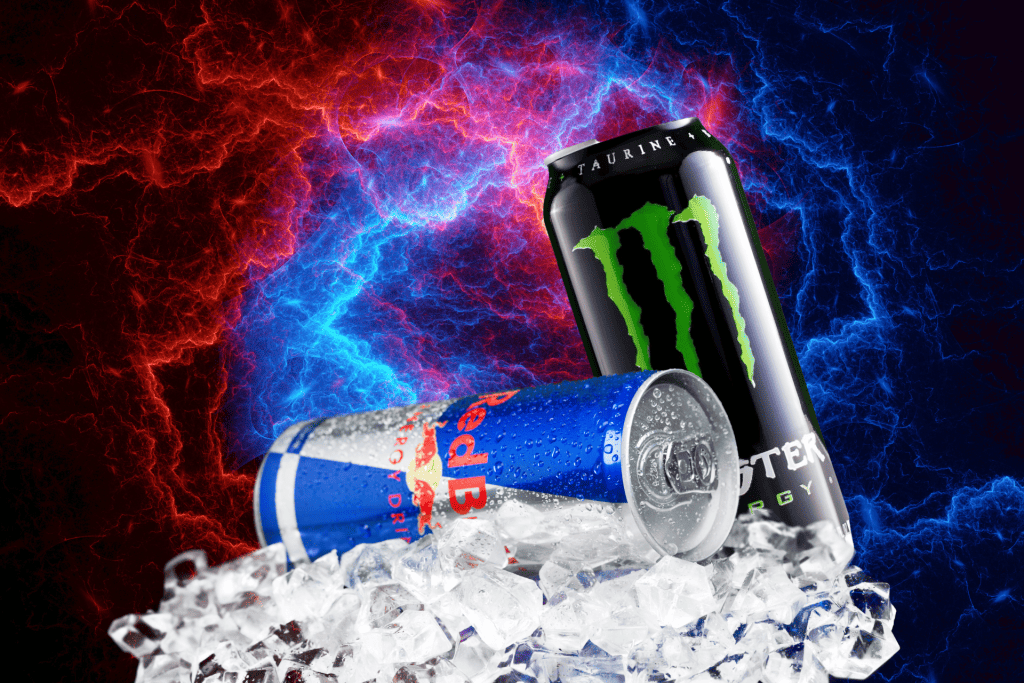
Energy drinks took off in the U.S. in the late 1990s and 2000s. New brands came and went, but Monster and Red Bull became two of the biggest names in the category.
So between Red Bull vs Monster, which one is better? They differ mainly in can size, caffeine and sugar per can, and flavor range.
Main Differences Between Monster vs Red Bull
The main differences between Monster vs Red Bull are:
- A standard 8.4 oz can of Red Bull has about 80 mg of caffeine. A standard 16 oz can of Monster has about 160 mg.
- Red Bull's classic can is 8.4 oz (250 mL), while Monster's standard can is 16 oz.
- An original Red Bull has about 27 g of sugar per can. An original 16 oz Monster has about 54 g.
- Ounce for ounce, the two are similar. Both have roughly 10 mg of caffeine and about 3 g of sugar per fluid ounce, per a 2023 review of energy drinks.
Formulas vary by flavor and country, so check the label on the can you buy.
Differences
Red Bull and Monster differ in their origins, ingredients, flavors and marketing.
Origin
Red Bull was created in Austria in 1987 by Dietrich Mateschitz and Chaleo Yoovidhya. It was inspired by a Thai energy drink called Krating Daeng, and it is often credited with popularizing energy drinks worldwide.
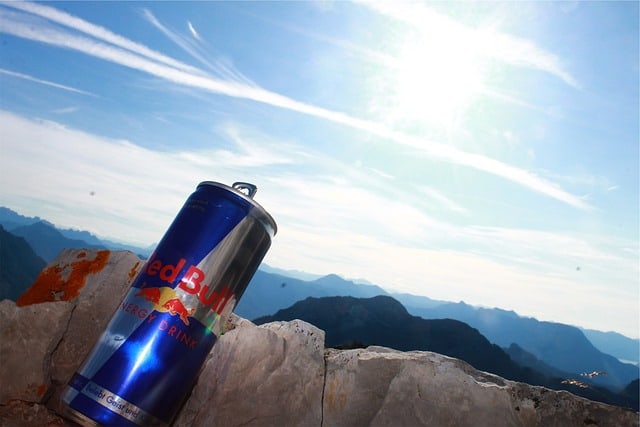
Red Bull is known for its blue and silver cans. Its main purpose is a quick boost in energy and alertness.
Monster Energy is an American brand launched in 2002 by Hansen Natural Corporation, now Monster Beverage Corporation. It quickly became one of the leading energy drinks in the U.S. and abroad.
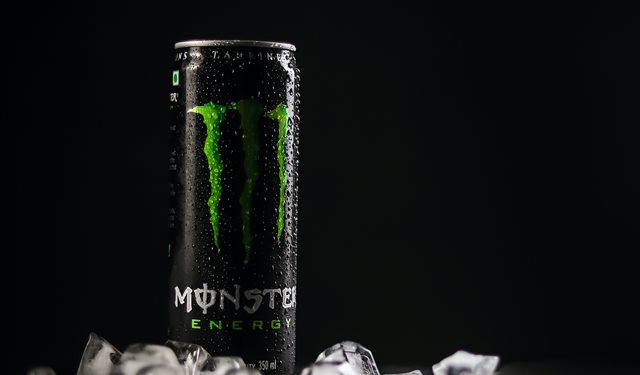
Monster is known for its bold branding and claw-mark logo, with a different can design for each flavor or product line.
Ingredients
Red Bull's main ingredients include caffeine, taurine, B vitamins (B3, B5, B6 and B12) and sugar or, in sugar-free versions, artificial sweeteners.
Monster contains similar core ingredients: caffeine, taurine, B vitamins and sugar or sweeteners. Some Monster lines add ingredients such as ginseng, guarana or L-carnitine.
Flavors and Varieties
Red Bull is best known for its classic 8.4 oz can, with sugar-free and flavored editions in several sizes.
Monster offers a wide range of product lines, including Monster Energy, Monster Ultra and Monster Rehab. Most come in larger 16 oz cans.
Marketing and Branding
Red Bull is known for sponsoring extreme sports, athletes and events, and it runs its own competitions.
Monster also sponsors athletes and events, including motorsports and esports. Its branding is edgier, built around the claw-mark logo.
Market Reach
Both brands are sold around the world and rank among the best-selling energy drinks.
Ultimately, the choice comes down to your taste and how much caffeine and sugar you want. Read the label so you know exactly what you're drinking.
Similarities
Red Bull and Monster share several similarities:
- Energy Boost: Both rely mainly on caffeine to increase alertness and reduce fatigue.
- Caffeine Content: Both have about 10 mg of caffeine per fluid ounce in their original versions. The bigger can is why a Monster has more caffeine than a Red Bull.
- B-Vitamins: Both include B vitamins such as B3 (niacin), B5 (pantothenic acid), B6 and B12. These vitamins help your body turn food into energy, but they don't give you an energy boost on their own.
- Taurine: Both contain taurine, an amino acid. Its role in energy drinks isn't well understood.
- Variety of Flavors: Both offer many flavors and product lines.
- Marketing and Sponsorship: Both are known for sponsoring sports, athletes and events.
- Packaging: Both come in cans with distinctive, easy-to-spot designs.
- Global Presence: Both are sold in many countries.
- Sugar-free options: Red Bull offers Sugarfree and Zero versions, and Monster offers Ultra and Zero Sugar lines.
Conclusion
Red Bull and Monster are two of the most popular energy drinks, and they're more alike than different. Ounce for ounce, their caffeine and sugar are similar.
The difference is can size. A 16 oz Monster has about twice the caffeine and sugar of an 8.4 oz Red Bull. If you want less caffeine and sugar per can, Red Bull's smaller can is the lighter choice.
Healthy adults should keep total caffeine to about 400 mg a day, according to the FDA. Energy drinks aren't recommended for children and teens.
Frequently Asked Questions
Red Bull or Monster: Which drink has a higher sugar level?
A can of Monster has more sugar because it's bigger: about 54 g per 16 oz can, compared with about 27 g in an 8.4 oz Red Bull. Per ounce, they're about the same.
Which has more caffeine, Red Bull or Monster?
A standard Monster can has about 160 mg of caffeine, and a standard Red Bull has about 80 mg. Per ounce, they're about the same.
What are the side effects of energy drinks?
Too much caffeine can cause a fast heartbeat, palpitations, higher blood pressure, anxiety, jitters, trouble sleeping, nausea and headaches. A 16 oz energy drink can also contain more added sugar than the recommended daily maximum, and mixing energy drinks with alcohol is risky, according to the NCCIH.
Sources
- The Dark Side of Energy Drinks: A Comprehensive Review of Their Impact on the Human Body, Nutrients
- Spilling the Beans: How Much Caffeine is Too Much?, U.S. Food and Drug Administration
- Energy Drinks, National Center for Complementary and Integrative Health