What Are The Best Vegan Protein Bars?
Contents
- Top 5 Healthy Vegan Protein Bars Reviewed
- 1. Clif Builder Chocolate Peanut Butter
- 2. GoMacro Organic Peanut Butter & Chocolate Chip Protein Bar
- 3. The GFB Coconut + Cashew Crunch
- 4. NuGo Dark Chocolate Chip Bar
- 5. ProBar Peanut Butter Chocolate
- Buying Guide & FAQ
- Watch Out For Sugar
- Nutritional Balance
- Weight Loss
- What Ingredients To Look Out For & Avoid?
- Daily Recommended Protein Intake
- When is the best time to eat protein bars?
- Before your workout
- As A Snack
- For That Extra Boost
- What Are The Benefits of Protein Bars vs Protein Powders?
- The Healthiest Plant-Based Protein Bars
- Which One Is Right For You?
- Sources
If you want a fast, easy way to boost your daily protein intake, vegan protein bars are worth a look.
Today we will be looking at the healthiest and best tasting vegan protein bars on the market.
These dairy-free, plant-based bars make a handy snack when you’re short on time.
As a vegan, you would be familiar with the question “but where do you get your protein?”. Now you can bring out one of these nutritionally packed bars as your answer.
Top 5 Healthy Vegan Protein Bars Reviewed
1. Clif Builder Chocolate Peanut Butter
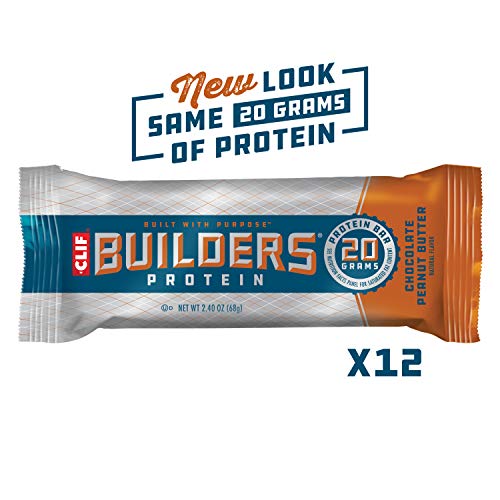
Our Verdict: Most Protein
The Clif Builder bar has earned the first spot on this review list for its quality ingredients, delicious taste and exceptional nutritional value.
It is a protein-packed bar coated in chocolate adorned with crunchy peanuts. It is made with some organic ingredients and comes in a variety of flavors.
Nutritional Info:
- Fat 10g, Carbohydrates 29g, Fiber 2g, Protein 20g
Flavors:
- Chocolate, Chocolate Mint, Chocolate Peanut Butter, Cinnamon Nut Swirl, Cookies N Cream, Vanilla Almond, Lemon, Coconut Almond Chocolate, Mint Chocolate Almond, Peanut Butter and Chocolate.
Pros:
- The Clif bar is created with 33% certified organic ingredients.
- One of these plant-based protein bars contains 20 grams of protein, making it a great fast treat during your busy day.
Cons:
- Unlike many other bars, the Clif bar does possess a distinctive protein after taste.
2. GoMacro Organic Peanut Butter & Chocolate Chip Protein Bar
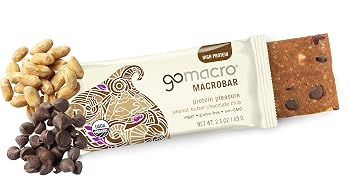
Our Verdict: Best Value
If you are looking for the vegan protein bar with the best value, then GoMacro is the one for you. This protein bar is organic, soy free and non-GMO.
It is produced by a family owned natural food company proud of its USDA certified organic ingredients.
They are nut butter-based bars made with brown rice protein.
Nutritional Info:
- Fat 11g, Carbohydrates 37g, Fiber 2g, Protein 11g
Flavors:
- Blueberry and Cashew Butter, Breakfast Variety, Cashew Butter, Cashew Caramel, Cherries and Berries, Coconut and Almond Butter, Dark Chocolate and Almond, Mocha Chocolate, Peanut Butter, Peanut Butter and Chocolate Chip, Sunflower Butter and Chocolate.
Pros:
- There are no artificial sweeteners in this bar; it is sweetened with brown rice syrup.
- The bar contains chocolate chips and nuts to break up the chewy texture of the bar.
- It has an extremely tootsie-roll or taffy like texture
Cons:
- If you are watching your blood sugar, this bar might not be ideal for you. Brown rice syrup is made of glucose-based sugars that raise blood sugar quickly.
- The vegan protein bar has 14 grams of sugar and only 2 grams of natural fibre.
3. The GFB Coconut + Cashew Crunch
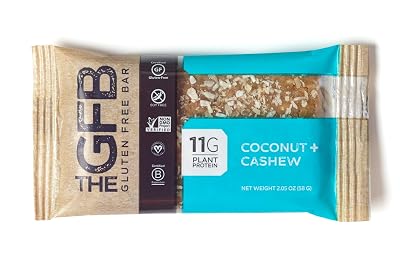
Our Verdict: Healthiest Ingredients
GFB Coconut + Cashew Crunch gluten free, Non-GMO, vegan and kosher protein bar is created from simple organic ingredients to provide a delicious protein boost.
It is soy free, dairy free, trans fat free and cholesterol free along with being made in small batches in Michigan.
If you are interested in supporting a sustainable and certified gluten free facility, then this coconut cashew crunch bar might be the perfect options for you.
Nutrition Breakdown:
- Fat 11g, Carbohydrates 29g, Fiber 3g, Protein 11g
Flavors:
- Chocolate Peanut Butter, Coconut Cashew Crunch, Cranberry Toasted Almond, Dark Chocolate Coconut, Oatmeal Raisin, Peanut Butter
Pros:
- This Gluten Free coconut cashew bar has an incredible taste along with a chewy, not overly dense texture.
- If you are a fan of natural ingredients you will love the minimal organic components mixed together.
- The coconut cashew bar contains 11 grams of protein in it’s 58 gram serving size.
- It is made in a sustainable and gluten-free certified facility in Grand Rapids, Michigan.
Cons:
- For some people the combination of ingredients provides an unexpected and almost unpleasant flavor.
4. NuGo Dark Chocolate Chip Bar
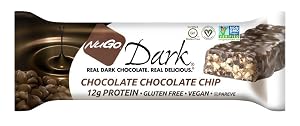
Our Verdict: Most Chocolatey
If you are a chocolate lover like me, then look no further than the Nugo Dark Chocolate chip bar.
The company has created 6 different chocolate protein bars which are all gluten and dairy free.
They make a convenient afternoon or pre-workout snack. The company wanted to move away from chocolate flavored palm kernel oil, instead choosing natural cocoa butter!
Nutrition Per Bar:
- Fat 7g, Carbohydrates 25g, Fiber 2g, Protein 12g
Flavors:
- Chocolate Chocolate Chip, Chocolate Pretzel and Sea Salt, Coconut, Mint Chocolate Chip, Mocha, Peanut Butter Cup.
Pros:
- The ideal option for chocolate lovers with six individual dark chocolate flavors to choose from.
- Comes with an impressive 12 grams of protein in a 50-gram serving size.
- NuGo Dark bars are certified vegan, kosher, gluten free and non-GMO. Other NuGo lines may contain dairy, so check the label.
- There is no artificial chocolate or a sweetener flavor in these chocolates.
Cons:
- The sugar content of these chocolate protein bars is fairly high.
- The flavors in the protein bars are quite simple, leaving you maybe craving more interesting notes.
5. ProBar Peanut Butter Chocolate
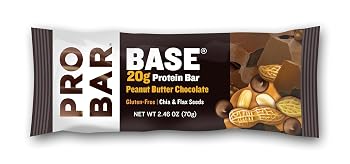
Our Verdict: Most Nutritious
The ProBar is an absolute beast in terms of the 20 grams of protein found in its 70-gram serving size.
It is a filling option when you’re short on time, though a bar isn’t a balanced meal on its own.
One of the flavors, Coffee Crunch, even comes with a boost of caffeine.
All the flavors are gluten free and certified non-GMO, with about 4 grams of fiber.
Nutrion Breakdown:
- Fat 10g, Carbohydrates 32g, Fiber 4g, Protein 20g
Flavors:
- Cookie Dough, Frosted Coconut, Frosted Peanut Butter, Mint Chocolate, Peanut Butter Chocolate.
Pros:
- 20 grams of protein, at the top end for vegan bars.
- The fiber helps you feel fuller for longer.
- Chia and flax seeds have been included as a plant-based source for omega-3 fatty acids.
- All the different flavors are gluten-free and sustainable sourced.
Cons:
- The taste of the bar has been described as artificial.
Buying Guide & FAQ
Watch Out For Sugar
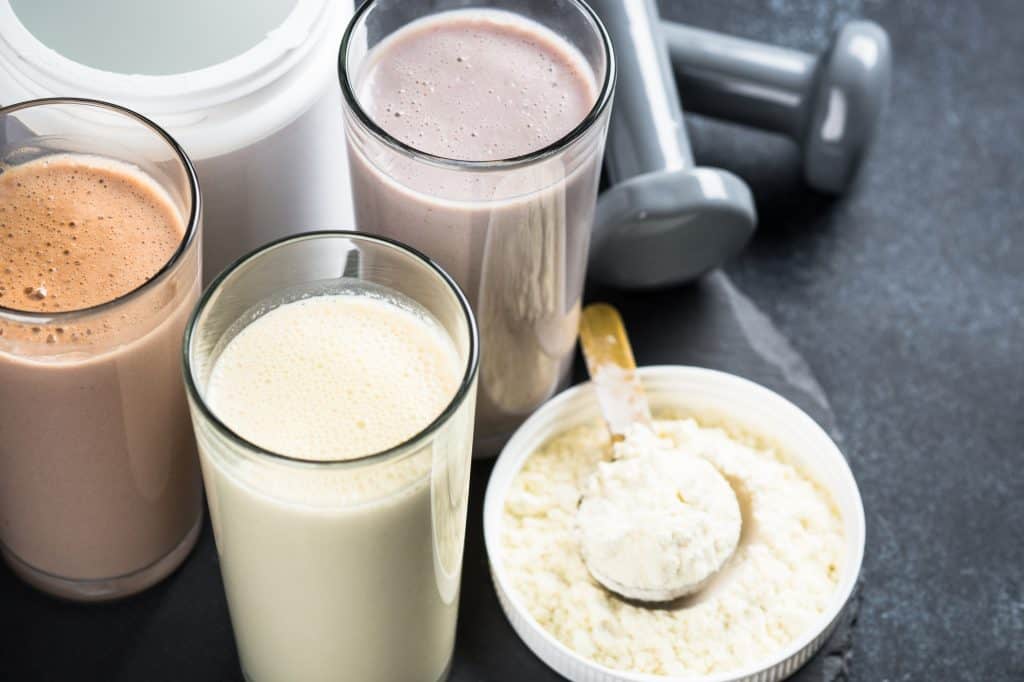
Protein powders are mostly protein, while protein bars are often sweetened with added sugars like brown rice syrup, cane sugar or corn syrup.
Added sugars bring calories without other nutrients. Some bars contain more sugar than protein, so read the label and compare grams of sugar to grams of protein.
Nutritional Balance
Protein bars, unlike protein powders, also contain fat and carbohydrates. That makes them more filling, but most still lack the vitamins, minerals and fiber of a real meal.
Weight Loss
Some people swap protein bars for snacks to help with weight loss. Weight loss is achieved when your total calorie intake is lower than your output.
Protein can help you feel full, which may make it easier to eat less, as long as the bar’s calories fit your plan.
What Ingredients To Look Out For & Avoid?
There are many vegan protein options available on the market, ranging from nut, pea protein, brown rice or soy sourced.
A quick peek at the ingredients will let you know whether the protein bar is plant based and fully animal free, and you'll want to pay careful attention to review the label for the below components:
Dairy
Milk is the most likely sneaky ingredient hiding in protein bars but can typically be identified by the phrase “contains milk”.
Avoid any products that contain whey or whey isolate which are both derived from milk.
Gelatin & Animal Byproducts
Other hidden animal ingredients include gelatin, made from animal connective tissue, and carmine, a red dye made from insects. Honey is another one some vegans avoid.
Typically, vegan friendly protein bars will have a clearly marked “V” on the front or other vegan symbols.
“May contain traces of eggs or milk”
Quite often, even plant-based protein bars will have “May contain traces of eggs or milk” on their packaging.
This warning does NOT mean there are non-vegan ingredients in the bar. It is included on the packaging for people with severe food allergies.
People with celiac disease or severe allergies need to take these warnings seriously.
Overall this means the product is still vegan unless the label explicitly reads “Contains Milk/Eggs”.
Daily Recommended Protein Intake
The RDA is about 56 grams per day for adult men and 46 grams per day for women.
Active people often need more.

If you are unsure about the requirement for your body and activity level, consider consulting with a medical professional or personal trainer.
There is also an online protein calculator you can check out here.
When is the best time to eat protein bars?
Before your workout
A protein bar before training can help if you haven’t eaten for a while.
Sports nutrition experts suggest 20 to 40 grams of protein per serving spread through the day. Eating some before or after your workout can help boost recovery, but total daily protein matters more than exact timing.
As a pre-workout supplement, protein bars can have the downside of sitting heavy inside your stomach.
As A Snack
The mix of fat, carbs and protein makes a bar a solid snack if you are in a hurry.
If you are looking for a protein bar to snack on and keep hunger at bay, choose one of the vegan protein bars which have high amounts of fiber.
Look for chia and flax seeds, which add fiber and ALA omega-3s.
For That Extra Boost
Adults need at least 0.8 grams of protein per kilogram of body weight. Most people who exercise regularly need about 1.4 to 2.0 grams per kilogram.
If you struggle to reach that from meals, a protein bar can help you close the gap.
What Are The Benefits of Protein Bars vs Protein Powders?
The biggest benefit of a protein bar in comparison to any other protein supplement is convenience.
They take no time to prepare, come in a variety of flavors, can travel with you anywhere and be a fast replacement for a meal or to curb hunger.
Bars are solid and need chewing, and many people find them more filling than a shake.
Protein powders also have little or no fiber, which helps keep you full.
The Healthiest Plant-Based Protein Bars
While protein bars have sometimes gained the reputation of being candy bars, there are many healthy protein bars. Vegan options are often made from entirely whole food, plant-based ingredients and can fit into any lifestyles.
Common ingredients include fruits, seeds and nut butters. Whether you are looking for a keto or organic option, there is a company which makes them.
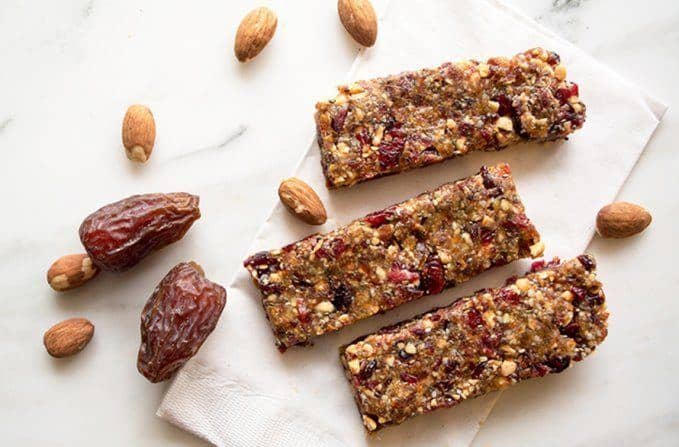
Not impressed by the current selection? Well, you can always just make your own:
Whether vegan protein bars are healthy depends on which protein bar you choose and how frequently you eat them. Every brand has varied nutrition ingredients but even the best ones made of natural or organic ingredients should be eaten in moderation.
While high in protein, most do not include many vitamins or nutrients that are found in whole foods.
SUMMARY
Protein bars can therefore be a good supplement to your daily nutrient intake but should not be considered a main source of nutrients or meal replacements.
Which One Is Right For You?
Protein bars are a handy addition to balanced meals, especially when you are on the move. You can throw one in your bag for a filling snack.
The number one vegan protein bar available is the Clif Bar, which has many flavors and 20 grams of protein per bar. That is more than a third of the RDA for most adults.
If you are on a budget, the Macrobars should be your pick, since they usually cost less per bar than many competitors. They use organic plant proteins and come from a mother-daughter run company. Prices change, so compare per-bar costs before you buy.
Sources
- Protein, Harvard T.H. Chan School of Public Health
- International Society of Sports Nutrition Position Stand: protein and exercise, Journal of the International Society of Sports Nutrition (PMC)