The Best Jojoba Oil Brands: Organic Options for Hair, Skin & Acne
Contents
Jojoba oil is a popular skin and hair care ingredient. It’s actually a liquid wax, not a true oil, made mostly of wax esters.
Because jojoba resembles the wax esters in our natural sebum (oil), it’s very versatile. Many people with oily or acne-prone skin use it, though the evidence for acne comes from small studies.
Using oil on your face (or in this case, wax) might sound counterintuitive if you have oily skin.
But hear me out.
If harsh, drying cleansers leave your skin tight, a simple moisturizer like jojoba can be a gentle alternative.
Research on plant oils shows that jojoba mostly stays on the surface of the skin, where it helps slow moisture loss.
The 5 Best Jojoba Oil Brands
 Best For Dry Scalp
Sutiable For All Skin Types
- Cleanses Pores
- Prevents Flaky Scalp
Good But Can Smell Smoky
- Suits Oily Skin
- Hexane Free
1. Kate Blanc Jojoba Oil
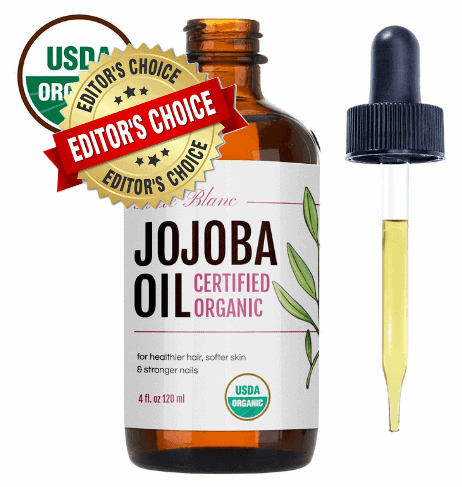
Our Verdict: Best Overall
Kate Blanc Jojoba Oil is 100% pure cold pressed to preserve quality and nutrients. It is certified organic and hexane-free.
It is a single-ingredient oil sold for moisturizing skin, hair, and nails.
Kate Blanc Cosmetics offers a full refund if their product is found to be fake or if you are not satisfied with your purchase within a 1 year period.
That's 100% guarantee with 1 year warranty!
It carries the USDA Organic seal. This unrefined jojoba oil absorbs easily into the skin and scalp, and buyers with sensitive skin generally find it gentle.
Pros:
- 100% pure cold pressed
- Hexane free
- Full refund if unsatisactory
- Gentle moisturizer for dry skin
Cons:
- Can sometimes smell bacon
- Tends to be watery
- Bottle sometimes leaks during delivery
2. Teak Naturals Jojoba Oil

Our Verdict: Best Budget Buy
Teak Naturals Organic jojoba oil is known for its great moisturizing effects. It's 100% pure, unrefined and organic.
You can use this cruelty free product for sensitive skin and scalp treatment as well as to promote healthy hair. People also use it on chapped lips and as a beard oil.
Lab and small clinical studies suggest jojoba has anti-inflammatory effects, but it isn’t a proven treatment for any skin disease. It works well as a moisturizer for dry cuticles.
Teak Natural Jojoba Oil is expeller-pressed where a screw presses out the oil without heating it up maintaining the effective nutrients and potent nature of natural Jojoba Oil.
Pros:
- Cruelty free
- Mild to no scent
- Absorbs quickly
- No oily residue
- A little goes a long way
Cons:
- Despite claiming to be unrefined, this brand removes some of the waxy esters so, it doesn’t solidify at cooler temperatures.
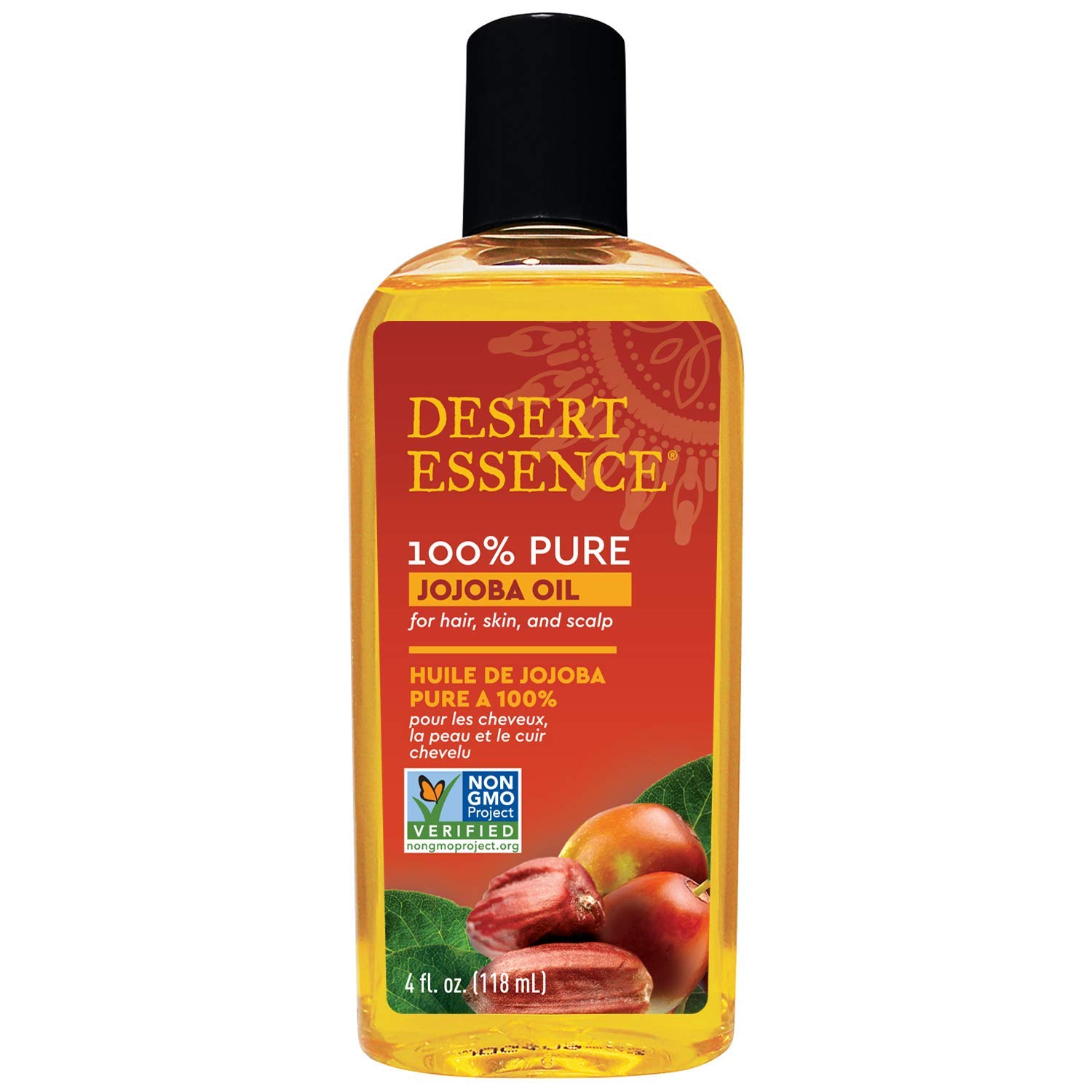
3. Desert Essence 100% Pure Jojoba Oil
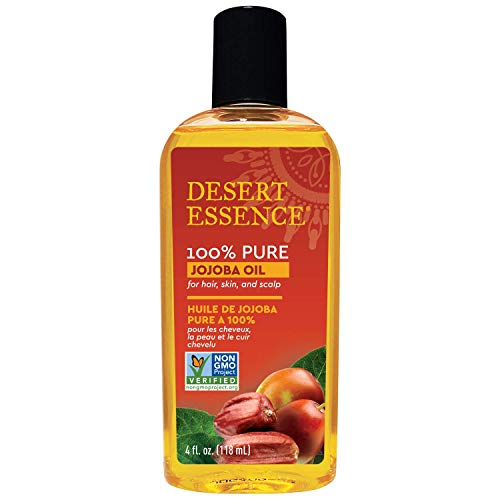
Our Verdict: Best for Dry Scalp
Desert Essence 100% Pure Jojoba Oil moisturizes your skin and scalp without leaving any oily feel.
It works well as a makeup remover, and it can soften a dry, flaky scalp.
This product is cruelty free, cold pressed from Sonoran and Peruvian desert plant seeds making it a natural moisturizer for skin and hair. It absorbs quickly and suits most skin types.
Pros:
- Moisturizes without a heavy feel
- Doesn’t clog pores
- Non-greasy
- Great makeup remover
Cons:
- Can be a bit messy to use
- Not organic
- Plastic bottle
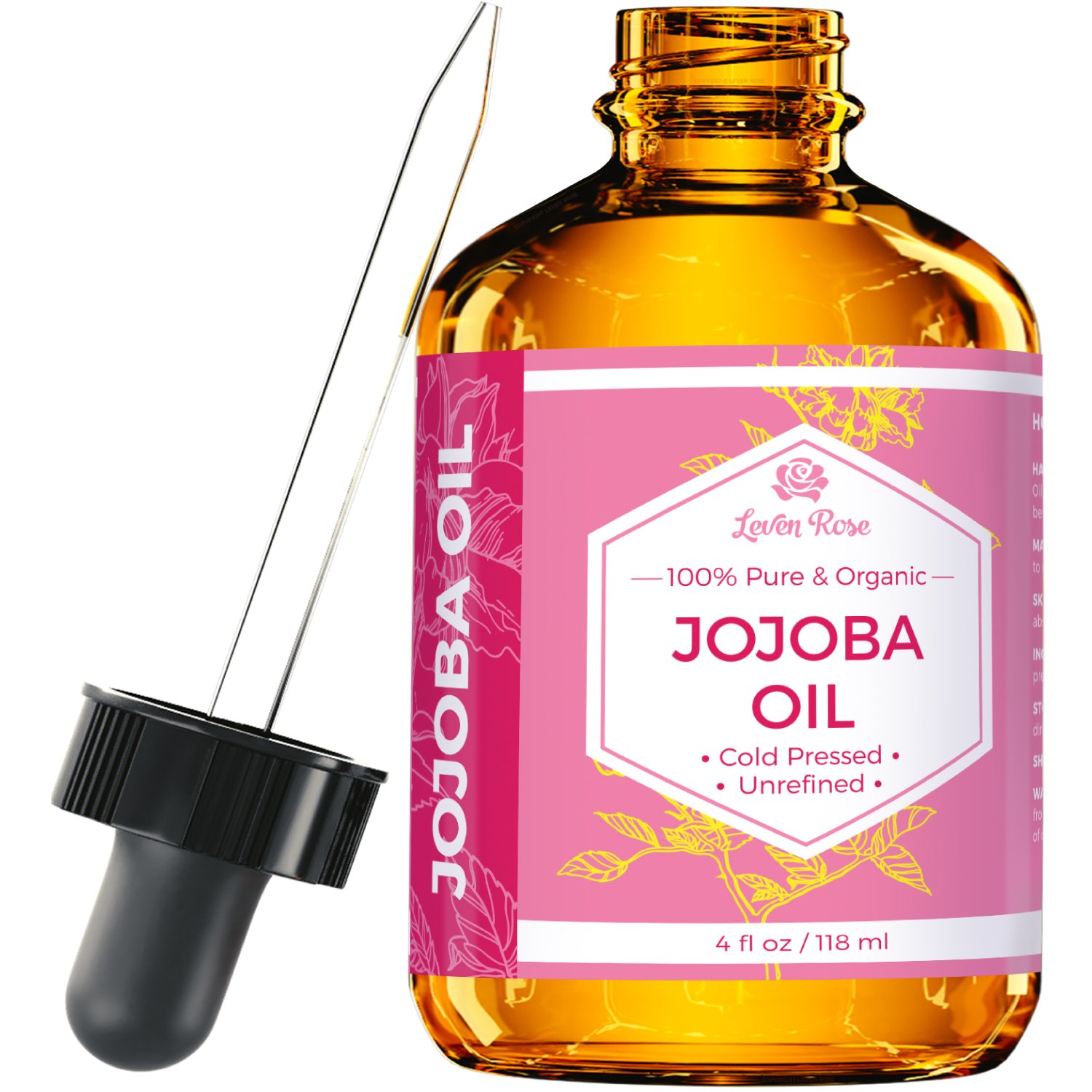
4. Leven Rose Jojoba Oil
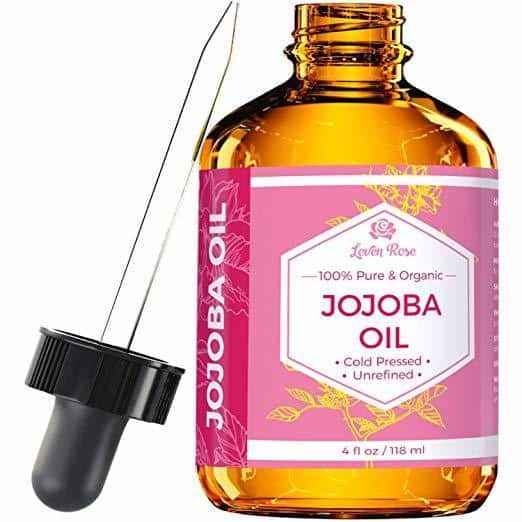
Our Verdict: Best for Face and Nails
Leven Rose Jojoba Oil is 100% pure, organic cold pressed jojoba oil made in the USA.
This product is non-GMO and contains no additives.
It is easily absorbed into the skin and contains no parabens. It hydrates well, which can make dry, fine lines less noticeable.
This 100% pure, unrefined organic Jojoba Oil is grown in Arizona.
Pros:
- Helps smoothen frizzy hair
- Certified organic
- Improves skin texture
- Suitable for acne-prone sensitive skin
- Cold pressed
Cons:
- Despite claiming to be unrefined, this brand removes some of the waxy esters.
- Can feel sticky
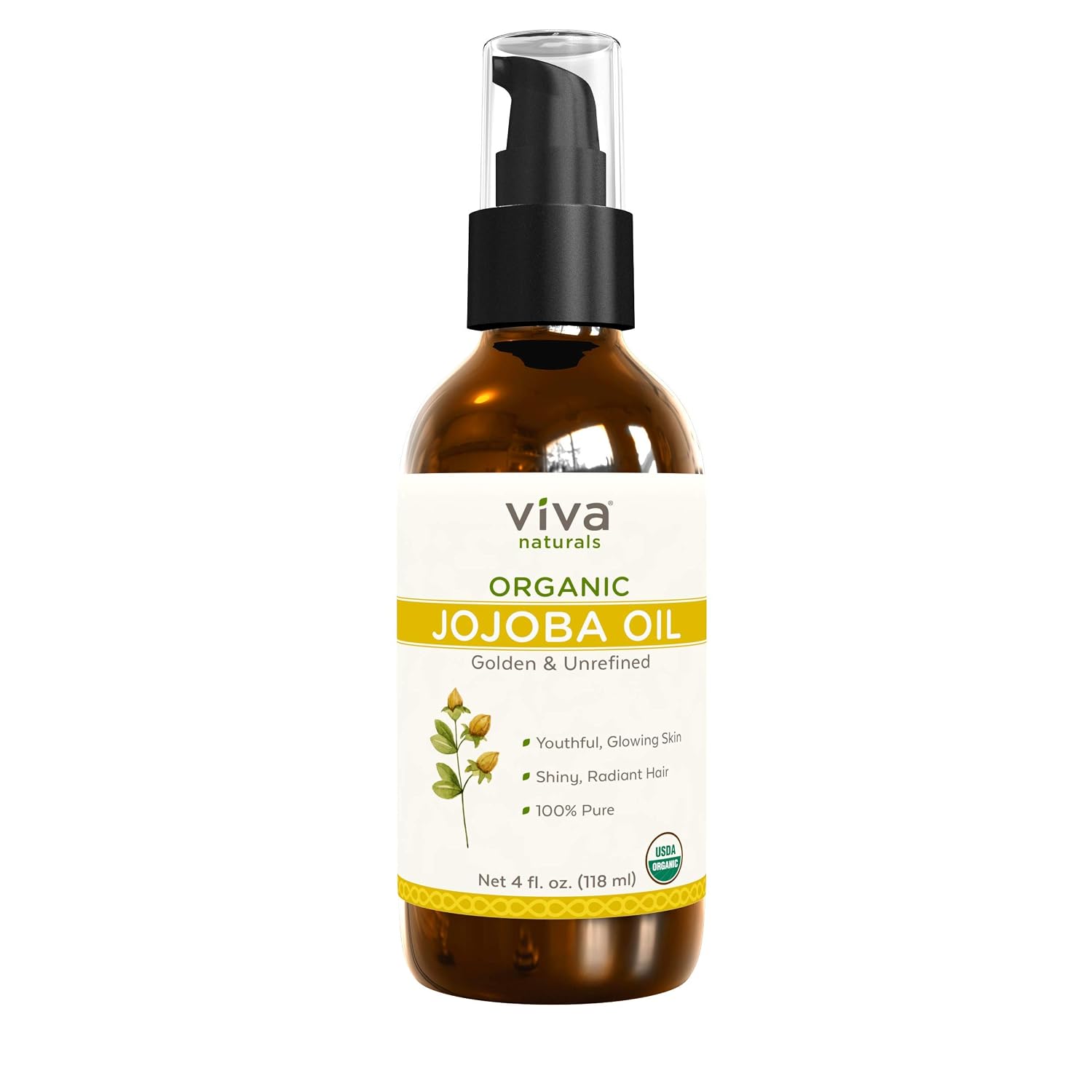
5. Viva Naturals Certified Organic Jojoba Oil
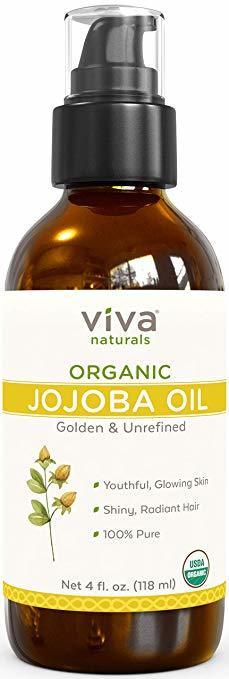
Our Verdict: Best for Oily Skin
Viva Naturals Organic Jojoba Oil offers deep skin moisture and has hair conditioning properties.
Extracted without heat (cold pressed), this oil is USDA certified organic and keeps your nails, hair and skin moisturized.
Produced with no additives, Viva Naturals Organic Jojoba Oil is considered suitable for all age groups.
Pros:
- Hexane-free
- Suitable for oily skin
- Can work well under makeup
- Small studies suggest jojoba may help mild acne
Cons:
- The pump can take some getting used to
- Can sometimes smell a bit smoky
How to Choose the Best Jojoba Oil for You
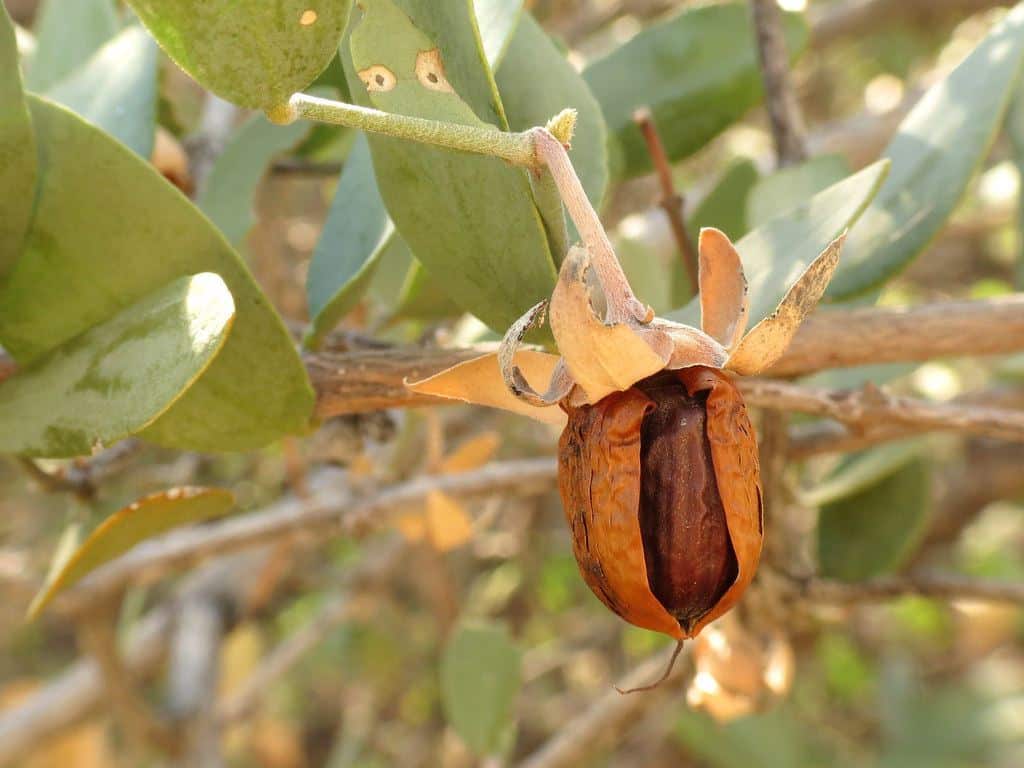
Organic options mean the jojoba was grown without synthetic pesticides. Labels like “chemical-free” don’t tell you much, since everything is made of chemicals.
But organic jojoba products can be more expensive, so at the very least, strive to choose an unrefined, pure, and cold pressed oil.
An unrefined product is generally best as more nutrients are left intact.
But keep in mind that your particular skin (most of all, if you have sensitive skin) or hair may benefit from a brand that removes some of the waxy esters. So if in doubt give both types a try, and gift the lesser one to a close friend :)
Try to avoid brands that contain:
- Synthetic fragrances
- Artificial colors (pure jojoba oil is a golden color)
- Parabens
- Hexane
- Refined oil
- Foul or very strong smells (it may have gone rancid)
Why Should You Avoid These Ingredients?
Fragrances and dyes are common causes of skin irritation, so pure, fragrance-free jojoba is the safer pick for sensitive skin.
Parabens are preservatives. The FDA says it has no information showing that parabens as used in cosmetics affect human health, but a pure oil doesn’t need them.
Stay away from rancid oil. Aside from the smell, oxidized oil can irritate the skin.
What About Hexane?
Hexane, also known as n-hexane, is sometimes used to extract oils from seeds, beans, and nuts. There is some confusion surrounding whether it’s actually bad for us and/or the environment or not that we’d like to clear up.
Hexane is a solvent. Breathing high levels of it over long periods, mainly in some workplaces, can damage the nerves.
It evaporates easily, so very little stays in products after they are processed. But just to be sure, and to make sure that you are getting a safe, high-quality product that is refined as little as possible, hexane free is the way to go.
You can read more about hexane here.
Jojoba Oil Facts & History
Jojoba has a long history of use as a moisturizer and folk remedy.
Researchers have since studied its effects on skin, mostly in lab and small clinical studies.
Using Jojoba Oil for Skin
Jojoba oil resembles the wax esters in our natural sebum, which is why it suits both oily and dry skin. If your dry skin is severe you might need a heavier oil like olive or coconut oil.
In terms of oily skin treatment, applying jojoba oil provides adequate moisture without adding to the oiliness.
Yes, even oily skin needs moisture and sometimes drying skin out can cause it to compensate by producing even more oil.
Its light texture also makes it a good option for combination and sensitive skin. Dry, aging skin can benefit from the extra moisture, too.
Another plus is stability. Jojoba is built from long-chain monounsaturated fatty acids and alcohols, so it resists oxidation and has a long shelf life.
Use it on its own, with other oils and essential oils, or add some to your body lotion or face cream.
What About Other Ailments?
Jojoba oil shows anti-inflammatory effects in research, may help the skin barrier hold moisture, and has shown wound-healing activity in lab studies.
That is why researchers are interested in it for eczema, psoriasis, and acne, but there isn’t solid clinical proof yet. See a dermatologist for those conditions. Jojoba oil may also have anti-microbial properties.
Jojoba oil is for use on the skin and hair only. Your body can’t digest the wax, so never eat or drink jojoba oil.
Jojoba Oil for Hair
The same moisturizing properties which aid your skin also make your best jojoba oils good for hair.
Because it mimics your natural oils, it helps by adding some moisture to dry and frizzy hair without making your hair look greasy.
But be sure to put on only a little. Just as with your own sebum, too much oil will make your hair look greasy.
You can also apply some to your scalp an hour or two before you wash your hair to help with dry scalp. Another way to use jojoba oil for great hair is to add some to your shampoo and/or conditioner.
Jojoba Oils for DIY Products
Jojoba oils make a great carrier oil since the scent is usually not very strong. It’s also a common base for diluting essential oils.
Use it to make your own body wash, hand wash, shampoo, and conditioners to provide a bit of moisture, especially if you find oils like olive and avocado a bit too heavy.
Can You Have a Negative Reaction?
Sensitivity to pure jojoba oil is very rare but it does exist. Like any new beauty product, like the aloe vera gel, do a patch test before applying it to larger areas.
Be sure to read the label of any jojoba oil brand to double check for any other ingredients as some manufacturers add unwanted oils, chemicals, and/or preservatives.
Jojoba oil is also a common ingredient in many products and typically it’s the other ingredients in these products that pose more of a risk.
That includes essential oils, so if you are going to be creating your own products or use products that contain them, be sure to do a patch test first.
Our Top 3 Picks
- Best Overall: Kate Blanc cold pressed Jojoba Oil seems to help with everything, whether it’s your skin, hair, or nails. Plus, it’s organic jojoba oil.
- Best for Dry Scalp: Desert Essence 100% Pure Jojoba Oil, doesn’t clog pores and is tops for dry or flaky scalp.
- Best for Your Budget: Teak Naturals organic Jojoba Oil. Other than being an organic jojoba oil, it’s cruelty free, and can work well for your hair and skin, particularly if your face is oilier.
Please let us know which is your favorite brand and what do you use your choice of the best jojoba oils for.
Sources
- Anti-Inflammatory and Skin Barrier Repair Effects of Topical Application of Some Plant Oils, International Journal of Molecular Sciences (PMC)
- Jojoba in dermatology: a succinct review, Giornale Italiano di Dermatologia e Venereologia (PubMed)
- Parabens in Cosmetics, U.S. Food and Drug Administration