Creatine Pros And Cons: Why To Use It (& What To Be Aware Of)
Contents
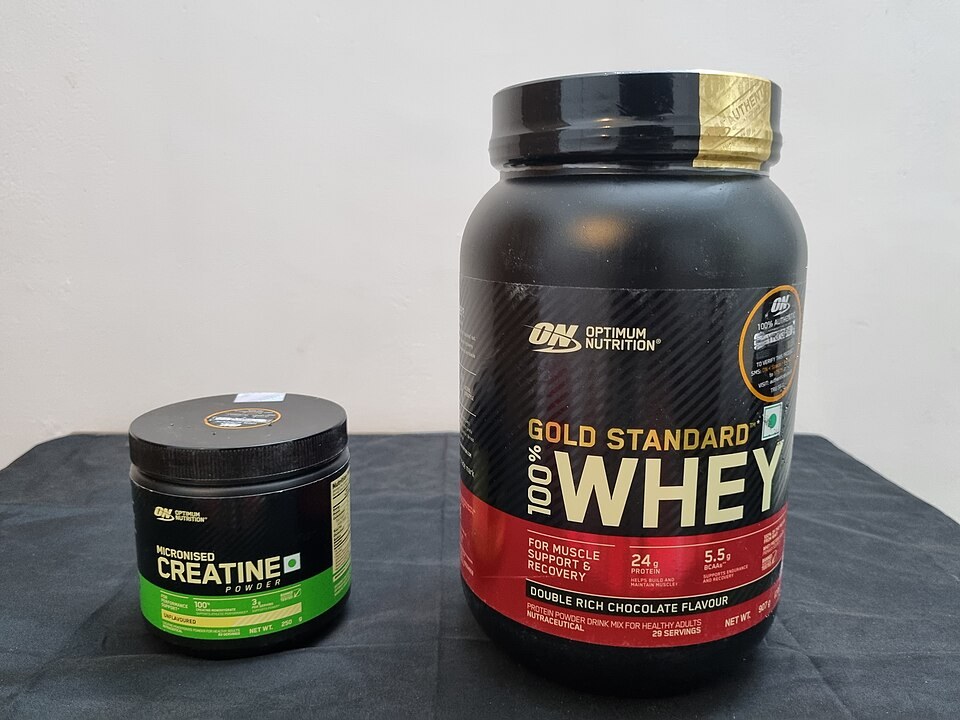
Photo by Ganesh Mohan T, CC BY-SA 4.0, via Wikimedia Commons
Creatine is one of the most popular supplements in any vitamin shop or grocery store. Lifters use it to train harder and build strength, and it is one of the most researched sports supplements available.
But is it safe? What does it do in your body? What are the real pros and cons of creatine? Let's answer those questions.
Benefits of Creatine Supplements
Why take a creatine supplement?
Creatine is a natural compound that your muscles use for energy during short, intense efforts like sprints and heavy lifts. It isn't a protein, though your body makes it from amino acids.
About half of your body's creatine comes from food, mainly red meat, seafood and milk, and your liver, kidneys and pancreas make the rest, according to Cleveland Clinic. About 95% of it is stored in your skeletal muscles.
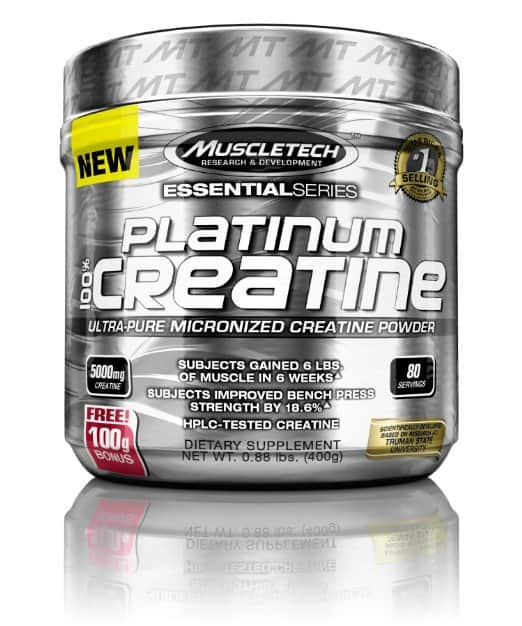
Supplements come as powders, pills or gummies. If you want more strength and power for short bursts of effort, creatine may be your best option. Here's a comparison of the two different types of creatine you may want to consider.
Inside the muscle, creatine is stored as phosphocreatine. It helps your muscles quickly recycle ATP (adenosine triphosphate), the molecule that powers each contraction. More stored creatine can help you squeeze out an extra rep or two in a hard set.
Over weeks of training, that extra work adds up. In studies, people who took creatine while training regularly gained about two to four extra pounds of muscle over four to 12 weeks compared with people who trained without it.
Creatine monohydrate is the most common and most studied form. No peer-reviewed evidence shows other forms work better.
Timing matters less than taking it daily. Taking 3 to 5 grams a day fills your muscle stores in about four weeks, according to a review of common creatine questions. A higher-dose "loading" phase gets there faster but isn't required. Many users keep taking it on rest days to keep their stores full.
If you want an energy boost without it, see our review of creatine-free pre-workout supplements.
For the travelers in the crowd, you'll be pleased to learn that you can bring creatine on a plane as well.
Common Concerns
A common worry is that creatine harms the kidneys. Research shows creatine does not damage the kidneys in healthy people. It can raise creatinine on a blood test, which isn't a sign of kidney damage on its own, so tell your doctor you take it.
If you have kidney disease, diabetes or liver disease, or you are pregnant or breastfeeding, talk to your doctor before using it.
Creatine also doesn't cause dehydration or cramping, according to the research review above. Still, it's smart to stay well hydrated when you train. Also note that the exact amount of water you mix with creatine does not matter, so you can take it with as much or as little as you like.
What about teens? Research in children and adolescents is limited, though studies so far have not found harmful effects. Anyone under 18 should talk with a doctor or pediatrician before trying creatine.
Some people get stomach upset, nausea or diarrhea, especially with large single doses. Splitting the dose into smaller amounts can help.
Don't expect an overnight transformation. Results depend on your diet, training, genetics and how much creatine your muscles already store. Some people notice more strength within weeks, while others see little change.
Creatine Weight Gain
Does creatine make you fat? No. Randomized trials lasting from one week to two years found creatine does not increase body fat.
You may gain a few pounds early on, mostly water stored inside your muscles. Over time, extra weight comes mainly from muscle you build in training. This is true for women as well as men.
Creatine Hair Loss
Another concern is hair loss when using creatine. This worry comes from one small 2009 study of rugby players that found a rise in DHT, a hormone linked to male pattern baldness.
The study did not measure hair loss, and its results have not been replicated. There is no direct evidence that creatine causes hair loss. If you are concerned, talk to your doctor.
Recap of Pros and Cons of Creatine
Benefits of Creatine
- Helps your muscles recycle ATP for short, high-intensity efforts.
- Can increase strength, power and training volume.
- Can help you build more muscle when combined with strength training.
- Among the most researched and affordable sports supplements.
Side Effects of Creatine
- Early weight gain from water stored in the muscles.
- Possible stomach upset, nausea or diarrhea, especially with large doses.
- Not well studied in people with kidney or liver disease, or during pregnancy.
- Limited research in teens, so talk to a doctor first.
Conclusion
Creatine is one of the best-studied supplements for strength and muscle, and it is safe for healthy adults at standard doses. It works best alongside consistent training.
Talk to your doctor before starting if you have a health condition or take medicine. We hope these pros and cons of creatine help you decide whether it's right for you.
Happy gaining!
Sources
- Creatine: What It Does, Benefits, Supplements & Safety, Cleveland Clinic
- Common questions and misconceptions about creatine supplementation: what does the scientific evidence really show?, Journal of the International Society of Sports Nutrition